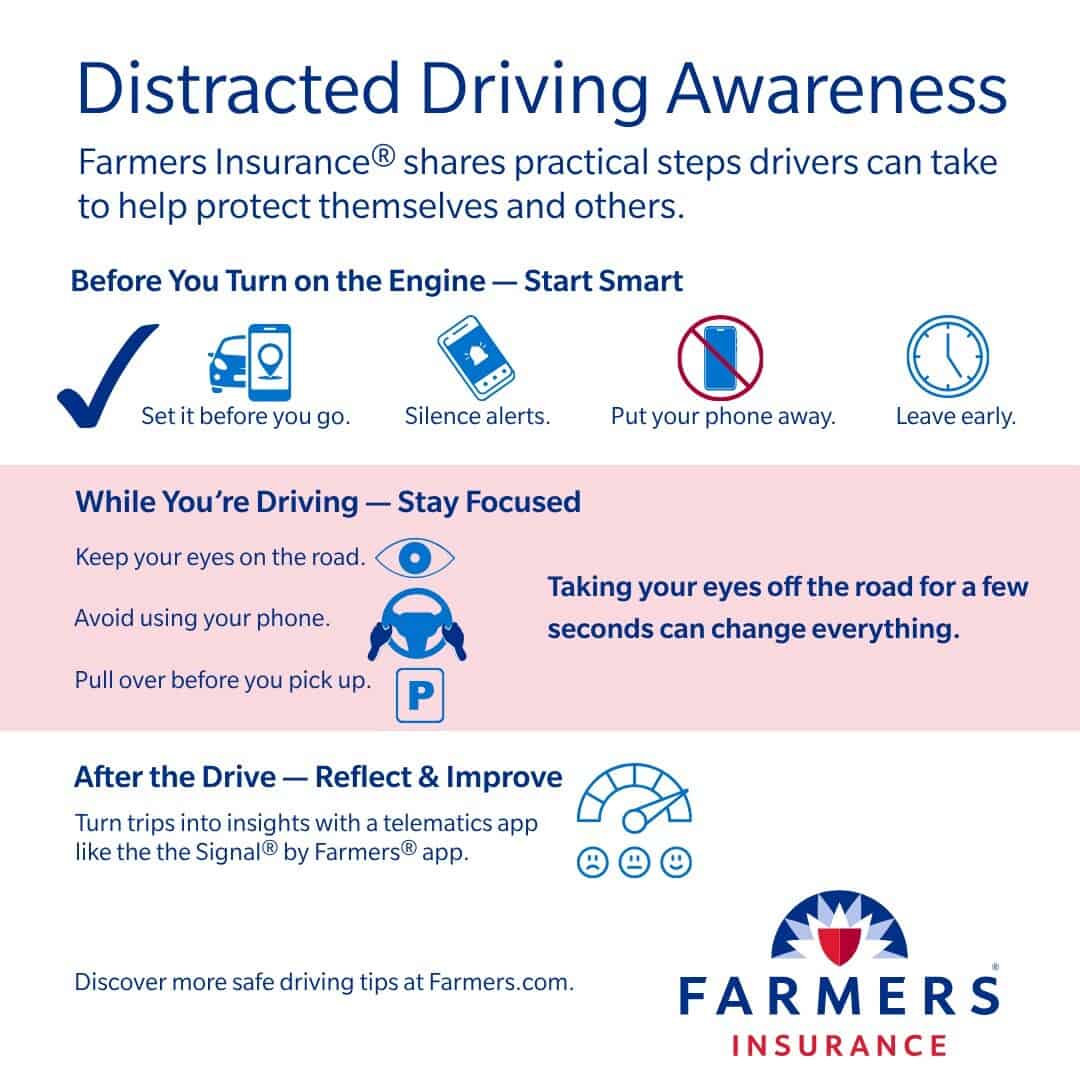
National Highway Traffic Safety Administration data confirms that distracted driving resulted in 3,208 fatalities and 315,000 injuries in 2024, maintaining a high risk profile for the spring driving season. These statistics correlate with 2023 data showing 3,275 fatalities, indicating that technology-induced inattention remains a primary variable in roadway safety. While Farmers Insurance utilizes the Signal telematics platform to monitor and incentivize focused driving behavior, organizations like ADEPT Driver are shifting focus toward the neurocognitive causes of distraction. Their research suggests that traditional awareness campaigns are less effective than training the brain to improve visual awareness and hazard detection, which has demonstrated a 30 percent reduction in crash frequency.
The convergence of behavioral monitoring and cognitive science indicates a new phase in insurance risk mitigation. Farmers Insurance encourages the use of digital tools to track performance, while ADEPT Driver advocates for diagnostic models that treat the underlying psychological triggers of inattention. By combining real-time telematics data with targeted brain training, the industry aims to move beyond simple observation toward proactive collision prevention. This dual approach addresses both the mechanical and cognitive requirements of vehicle operation to reduce bodily injury claims and long-term financial liability for drivers and insurers alike.
- Setting maps, music, and temperature before starting the car.
- Keeping phones out of reach in the glove box or center console.
- Using do not disturb settings to block incoming alerts.
- Focusing on the road and keeping both hands on the steering wheel.
- Having passengers handle phone tasks or pulling over to a safe area to use a device.
The Consequences
The National Highway Traffic Safety Administration is intensifying enforcement measures from April 9 through April 13 under the Put the Phone Away or Pay initiative. This federal campaign utilizes increased law enforcement presence and targeted media to mitigate distracted driving risks, specifically focusing on the legal and financial penalties associated with mobile device usage while operating a vehicle.
NHTSA reporting emphasizes that distracted driving remains a primary factor in preventable roadway fatalities. The agency advocates for peer intervention and public pledges to establish social norms against non-driving activities. Industry stakeholders categorize these efforts as critical behavioral components within the broader safe system approach to reducing traffic-related mortality rates.
AAA Foundation Study On DND Feature Efficacy
Research from the AAA Foundation for Traffic Safety indicates that smartphone technology-based countermeasures, specifically do not disturb features, significantly reduce driver interaction with mobile devices when activated. Despite the potential to mitigate distracted driving, current utilization remains low due to user misconceptions regarding navigation and music app functionality. The study identified that while younger drivers aged 18 to 24 possess higher technical awareness, they maintain a misplaced confidence in their ability to manage phone interactions safely while operating a vehicle.
Experimental results from a ten-week monitoring period showed that targeted training and automatic activation settings led to a 41 percent decrease in smartphone interactions. AAA advocates for smarter automation and situational awareness to distinguish between drivers and passengers, alongside behavior-focused strategies like insurance discounts and social norm reinforcement. Technical barriers such as FOMO and lack of awareness regarding automatic triggers continue to impede widespread adoption, necessitating integrated education within driver licensing programs.
For ADEPT Driver information go to www.adeptdriver.com/distracted-driving-headed-towards-a-happy-ending.