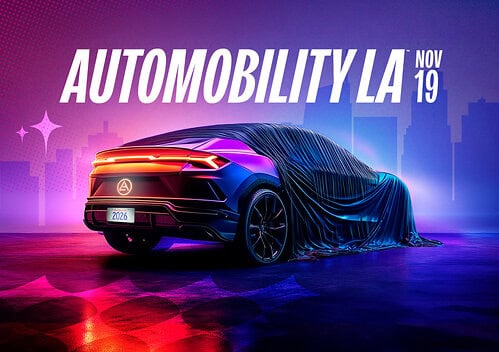
The framing is deliberate. Rather than treating electrification, self-driving technology, and pop culture as separate storylines running in parallel, AutoMobility LA is presenting them as three interconnected questions the industry is answering simultaneously — what a vehicle runs on, what it can do without a driver behind the wheel, and what it means to the people who watch it go by. Organizers argue that few cities can host all three conversations credibly. Los Angeles remains the largest vehicle market in the country, is among a small number of metro areas where autonomous fleets already share the road with everyday drivers, and sits at the doorstep of the entertainment industry that shapes how new vehicles are perceived long before they reach a dealer lot.
A Decade-Old Event With a Sharper Focus
AutoMobility LA launched in 2014 with the goal of putting the traditional car business and the technology sector in the same room. Twelve years later, show leadership says the room has grown considerably larger, but the questions occupying it have shifted. This year’s programming is an attempt to name those questions plainly rather than let them emerge organically across scattered panels and press conferences.
Each of the three pillars will carry its own sponsors, programming track, and rollout of announcements through the fall.
Energy: A Fuel Question and a Household Budget Question
The energy pillar centers on how vehicles are powered, a topic organizers frame as inseparable from infrastructure planning and consumer economics. California’s driving public buys across every powertrain category — gasoline, hybrid, plug-in hybrid, and fully electric — in greater volume than any other state, which the show’s organizers argue makes it the place where consumer preference is revealed in real purchasing behavior rather than forecast in a research report. That scale also puts pressure on manufacturers and suppliers who have committed capital years ahead of demand, betting on where the market will land. Chevron, with its Techron fuel additive brand, returns as presenting sponsor of the 2026 show and anchors the energy track.
Autonomy: From Demonstration to Daily Commerce
Autonomous vehicle technology has moved past the demonstration phase in Los Angeles, according to the show’s organizers, and the questions being asked have moved with it. The conversation is no longer centered on whether the technology functions reliably, but on where it expands next — into household ownership versus on-demand summoning, into small business logistics such as delivery vans running overnight routes, and into industrial and manufacturing settings where autonomous software moves off the road entirely. Los Angeles is positioned as a proving ground for these questions because the technology already operates in ordinary traffic and commerce rather than in a closed pilot program. The autonomy track aims to bring the companies developing the technology together with the regulators and officials responsible for governing it while the outcomes remain genuinely undecided.
Entertainment: The Vehicle as Character and Credential
The show’s organizers describe the relationship between vehicles and entertainment as having shifted from cultural backdrop to commercial partnership. Streaming platforms, film and television studios, video game developers, and independent creators now shape how a new vehicle is understood well before a prospective buyer sets foot in a showroom, and many of the companies on both sides of that relationship are headquartered within a few miles of the Convention Center. The entertainment track treats that dynamic as an industry in its own right, with its own business terms and its own stakeholders, rather than a marketing afterthought layered onto a vehicle launch.
Built for Participation
Show organizers are framing AutoMobility LA as a working floor rather than a static exhibition. Automakers, technology companies, suppliers, and brands operating in any of the three focus areas are being invited to bring their own announcements and to propose speakers and topics for the event’s main stage.
“The industry has come to Los Angeles every November for generations, and it comes for a reason,” said Terri Toennies, president of the Los Angeles Auto Show and AutoMobility LA, in a statement accompanying the registration announcement. She described the event as the place where companies learn how their work is actually received and where many of the year’s products, partnerships, and disputes first surface publicly. Toennies said energy, autonomy, and entertainment now represent the industry’s hardest open decisions, and that this year’s program is built specifically around them.
Registration Details
Media registration is complimentary for accredited and approved journalists. Industry registration costs $149 through October 15 and rises to $249 beginning October 16. The show’s 2026 vehicle debut list is expected to publish in late October, with the full press conference and main stage schedule following in early November. Registration is available through the portal at Automobilityla.com, with additional credentialing instructions provided upon confirmation.