CarVi Detects Potholes – Data for Municipalities

CarVi, the company behind a new AI-powered video driving assistant device, announced ‘Pothole Detection,’ a new feature to its flagship device which helps drivers stay
CarVi, the company behind a new AI-powered video driving assistant device, announced ‘Pothole Detection,’ a new feature to its flagship device which helps drivers stay
Some Advanced Driver Assistance Systems (ADAS) have been available for nearly 30 years, however, they have only become more commonplace in the last several years,

From a desk at the Ford Design Studio, a designer enters a virtual room and begins a 3D sketch. He is designing a virtual car
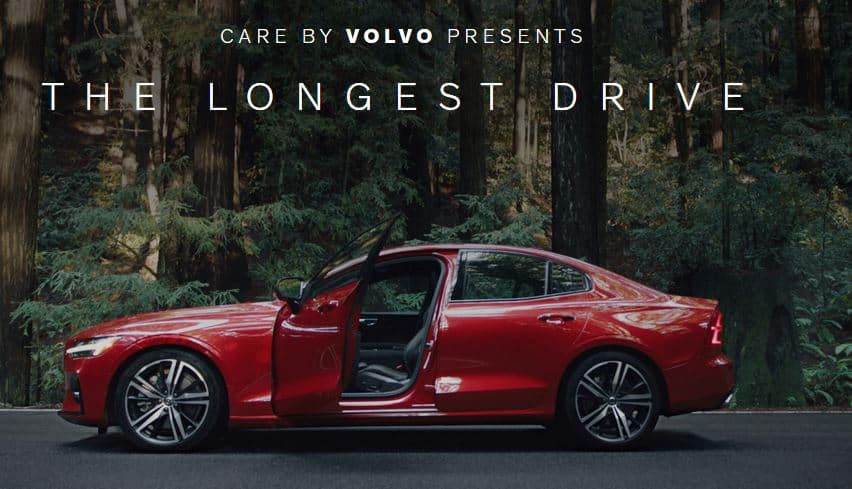
Taking a digital test drive after 6:00PM ET on Sunday, February 3, 2019 could land you in a new all-new Volvo S60 sedan. Using an

Jaguar Land Rover has developed a system that projects the direction of travel onto the road ahead of self-driving vehicles, to tell other road users

Mercedes Benz announced that it Mercedes me platform is expanding to customers in Australia, New Zealand and Thailand, making the total 45 countries, with more

With advances in computer vision technology, it has become possible to capture 3D images using many different sensors and, in the process, to extract depth

Hyundai Motor Group announced the development and future commercialization of the world’s first multi-collision airbag system that significantly improves airbag performance in multi-collision accidents. Multi-collision

Car-sharing, ride-hailing and car-subscription services were as widely available as traditional car ownership through purchases and leases, consumers would rely “significantly less” on traditional car

Toyota and Lexus are bringing industry-leading connected car capabilities to their vehicles in the United States. The collaboration of Toyota Motor North America, KDDI and

Eyesight, “Driver Sense” Driver Monitoring System (DMS) will be demoed at Automotive World in Tokyo, January 16-18. The announcement comes after Eyesight was given an

Younger drivers (millennial/Gen Z) are more than 1.5 times more likely to identify popular emojis* correctly than the tire pressure monitoring system (TPMS) warning symbol,