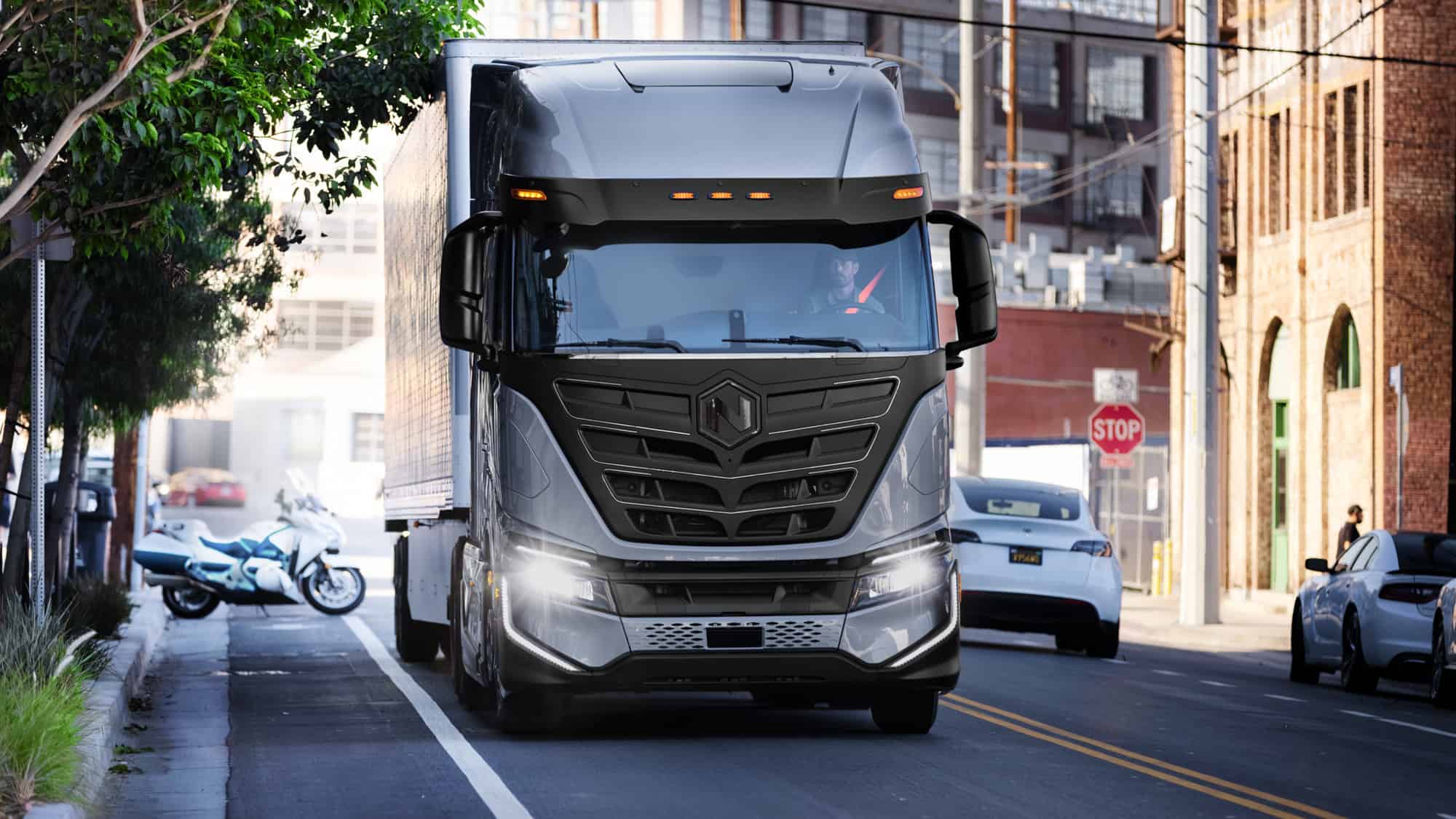
While public discourse regarding road safety typically centers on the sleek silhouettes of family SUVs and commuter sedans, a more utilitarian hazard remains largely in the shadows: the commercial fleet. From the heavy tractor-trailers traversing interstate corridors to the local delivery vans navigating residential cul-de-sacs, these workhorses represent a significant, yet often overlooked, segment of the national roadway landscape.
The human cost of this oversight is substantial. In 2023, crashes involving heavy- or medium-duty trucks and light vans resulted in 6,535 fatalities, accounting for 16 percent of all traffic deaths in the United States. This toll has become a primary focus for safety advocates aiming to reach a 30×30 vision—a targeted 30 percent reduction in roadway deaths by the year 2030.
The peril is exacerbated by a historical disparity in federal regulation. Many of the safety mandates that govern passenger vehicles do not extend to the commercial sector. Consequently, many work vehicles lack fundamental protective features such as airbags. Furthermore, there are currently no federal requirements for automatic emergency braking or other advanced driver-assistance systems in these weight classes. The absence of such technology is particularly consequential given that the majority of victims in truck-related collisions are other road users, not the truck occupants themselves.
Recognizing this regulatory void, the Insurance Institute for Highway Safety (IIHS) and the Highway Loss Data Institute (HLDI) have elevated commercial vehicle safety to a top strategic priority. The organizations intend to leverage decades of experience in the passenger market to incentivize manufacturers and fleet operators to adopt higher safety standards.
The first phase of this initiative is slated for the spring of 2026. The institute will release occupant protection ratings for cargo vans and Class 3 pickups—vehicles with a gross weight rating between 10,001 and 14,000 pounds. These evaluations will scrutinize the presence and efficacy of airbags and advanced seat belt systems. Concurrent track testing is also underway to assess crash-avoidance capabilities, with data on those systems to be published later in the year.
This effort builds upon the institute’s prior success in the commercial sector. Since 2010, the organization has conducted rigorous testing of rear underride guards on semitrailers to prevent passenger cars from sliding beneath the rear of a truck during a collision. While early guards were found to be insufficient, the introduction of the Toughguard award in 2017 spurred an industry-wide redesign. Today, nearly all new dry van trailers meet these improved standards. Researchers now hope to replicate this success with side underride guards, a feature that remains rare despite estimates that it could save more than 300 lives annually.
Beyond structural reinforcements, large-scale fleet operations offer a unique testing ground for emerging technologies. Fleet managers are increasingly exploring intelligent speed assistance (ISA), a system designed to help drivers maintain legal speed limits. To support this transition, the IIHS has funded research into best practices for ISA adoption.
As the Highway Loss Data Institute begins curating specialized insurance loss data for the commercial sector, safety experts expect to gain a more granular understanding of which technologies provide the greatest real-world benefit. For the millions of Americans who rely on these vehicles for their livelihoods, and for those who share the pavement with them, the push for parity in safety standards is increasingly viewed as a prerequisite for a modern economy.