The action is the sharpest regulatory response yet to a problem that has followed the Alphabet-owned company’s highway service for much of the year, and it lands on one of the features that made Waymo’s service more practical for longer trips.
California DMV Cites Two Bay Area Incidents in Waymo Freeway Order
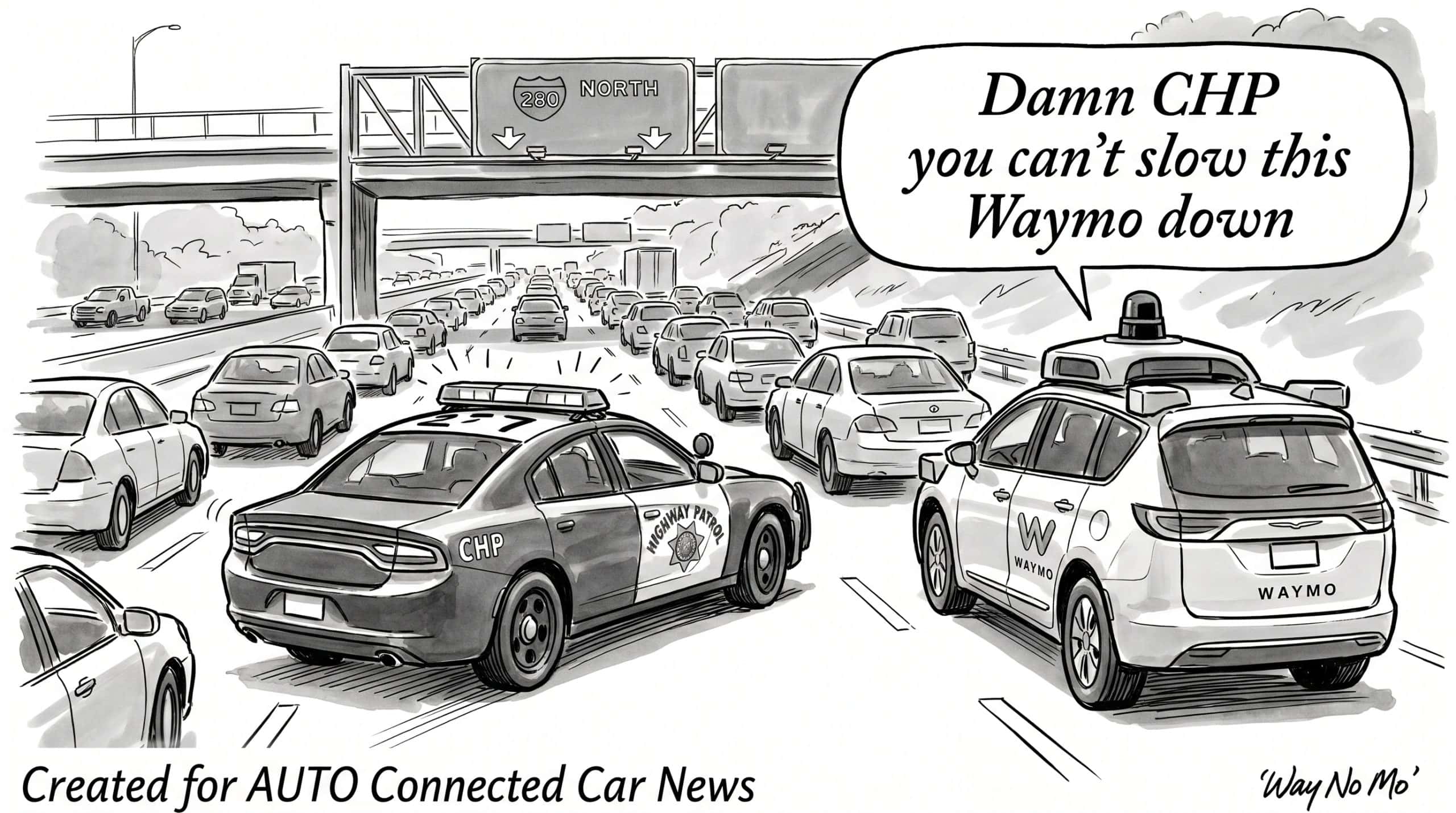
According to the DMV, the order followed two incidents in the Bay Area in early November. On November 5, three Waymo vehicles entered an active construction closure on U.S. Route 101 near Burlingame. The next day, a separate encounter involved California Highway Patrol vehicles on Interstate 280 in San Francisco. KCRA in Sacramento reported that video of the November 6 incident circulated widely on social media, showing a Waymo vehicle attempting to bypass patrol cars that were conducting a traffic break.
Jonathan Groveman, a DMV spokesperson, said in a statement that the department concluded Waymo’s driverless freeway operations pose a hazard because of recurring incursions into active construction zones where workers, vehicles and equipment are present. The restriction bars the company from operating or testing driverless vehicles on all California freeways. Groveman also pointed to similar incidents that occurred on May 18.
The San Francisco Chronicle, as summarized by International Business Times, reported that during the I-280 encounter one patrol vehicle moved to block the robotaxi’s path, and the Waymo then changed lanes and slowed down. The San Francisco Business Times reported that the National Highway Traffic Safety Administration was aware of the incident and had contacted Waymo for information.
Waymo Says Recent Construction Zone Encounters Caused No Injuries or Collisions
In a statement, a Waymo spokesperson said the recent freeway construction zone encounters on U.S. 101 did not involve any injuries or collisions. The company said it has temporarily restricted freeway operations across its other operating markets to evaluate its performance and is working with the DMV and other state officials to resume service. “Safety is at the foundation of everything we do,” the spokesperson said.
Waymo’s surface-street ride-hailing service is unaffected. International Business Times, citing the company, reported that Waymo provides more than half a million trips each week and operates commercial service in 15 U.S. cities, though freeway rides were not available in all of them.
Waymo’s Earlier Recall Covered 3,871 Automated Driving Systems
The November order follows a string of earlier construction zone problems. In a June 17 safety recall filing with NHTSA, Waymo disclosed that seven of its autonomous vehicles entered freeway lanes with active construction in the Bay Area on May 18. According to the filing, as described by International Business Times, the vehicles drove between traffic cones marking lane closures because their automated driving systems either failed to recognize the construction zones or prioritized avoiding other freeway hazards.
The recall covered 3,871 fifth-generation automated driving systems capable of driverless freeway operation. The filing also documented six incidents in April in Phoenix, where Waymo vehicles drove past ramp closure signs into planned freeway construction areas. Waymo proposed software improvements and additional operating procedures to prevent vehicles from entering construction zones.
The company voluntarily paused freeway operations in May, The Verge reported, and resumed rides in late July after introducing software updates intended to improve how its vehicles handle construction zones. California regulators said the latest incidents showed that safety concerns persisted despite those corrective measures.
Waymo’s Freeway Service Had Expanded Across Three Metro Areas
Waymo has been testing on California freeways since at least August 2024. In November 2025, the company began offering freeway rides to public passengers in the San Francisco Bay Area, Phoenix and Los Angeles, a move aimed at faster connections between urban areas, surrounding communities and airports.
Highway access carries commercial weight. The Verge reported that without freeways, Waymo must route vehicles over longer local roads, which raises fares for customers, and noted that Waymo rides on average already cost more than human-driven Uber or Lyft trips. The San Francisco Standard reported that the Waymo app was warning passengers of longer journeys without freeway access, including routes involving San Francisco International Airport. Service between San Francisco and Silicon Valley now relies on surface streets where it remains available.
What Waymo Must Show California Regulators to Return to Freeways
The DMV said the restriction will remain in effect until Waymo demonstrates that it has taken effective corrective actions to address the deficiencies that led to the order. Waymo must submit evidence to the agency, which will then determine whether the company can safely resume freeway operations. Waymo has not provided a timetable for restoring freeway rides.
The freeway restriction arrives amid wider federal attention to the company’s vehicles. International Business Times reported that nearly 2,900 Waymo robotaxis are also under NHTSA scrutiny over incidents involving school buses.