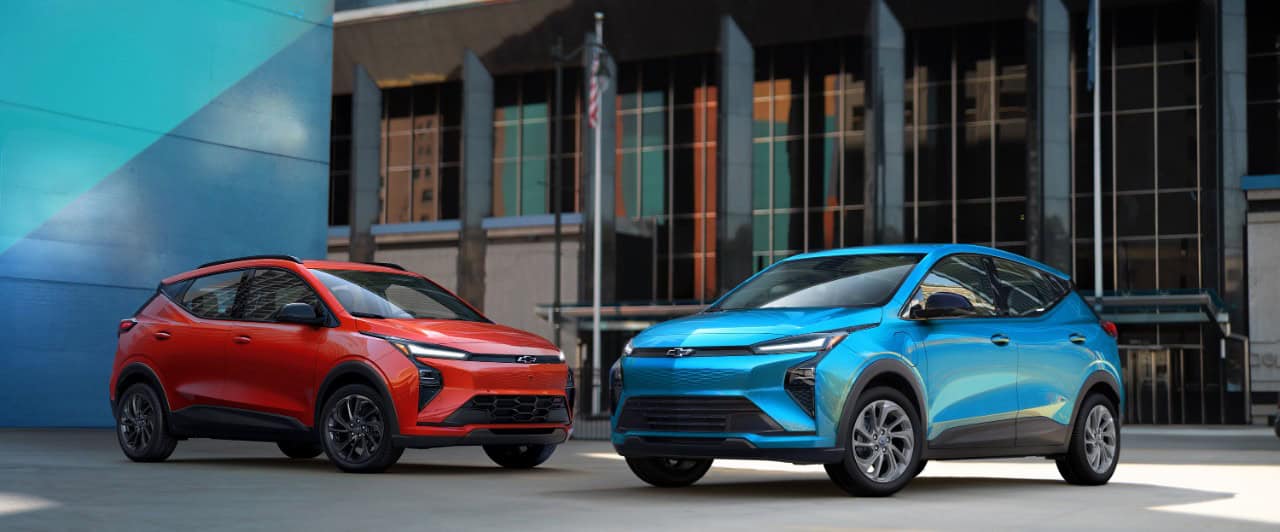
General Motors is reviving the compact electric hatchback Chevy Bolt that helped define the affordable end of the EV market. The 2027 Bolt arrives with a launch-model starting price of $29,990, including a $1,395 destination freight charge, for the LT trim. Later in the model year, GM says, an even less expensive LT will start at $28,995, again including the destination charge. The company describes the new Bolt as offering the most range of any EV priced under $30,000, and it is positioning the car as a limited-run model rather than a permanent fixture of the lineup.
A Second Act for a Familiar Name
The original Bolt debuted for the 2017 model year as what GM describes as the first long-range, mass-produced EV sold at a truly affordable price. According to the company, that car went on to earn some of the highest customer satisfaction and loyalty scores in the auto industry, at any price point, and drew a significant number of new buyers to the Chevrolet brand.
Production of the first-generation Bolt ended, but the demand did not, according to Scott Bell, vice president of Global Chevrolet. Bell said the company heard customer feedback and affection for the vehicle after it left production, prompting the decision to bring it back for a limited time. He framed the return as a celebration of what the Bolt has meant to Chevrolet and its owners, and as an opportunity for shoppers who have been waiting to buy an affordable EV.
The timing places the Bolt alongside the Chevrolet Equinox EV, which GM calls one of the market’s best-selling electric vehicles and the most affordable EV in America with more than 315 miles of EPA-estimated range. Together, the company expects the two models to account for most of Chevrolet’s 2026 EV volume. Chevrolet currently ranks second in U.S. EV market share, GM says, a position it attributes in part to the loyalty of its original Bolt customers.
Range, Charging and the Move to NACS
The 2027 Bolt carries an EPA-estimated range of 262 miles. GM points to U.S. Department of Energy figures indicating that roughly 80 percent of American EV drivers charge at home, and that the average American drives about 42 miles a day. Against those numbers, the company argues, the Bolt’s range comfortably covers the daily needs of most drivers.
Charging away from home is a more substantial change from its predecessor. The new Bolt supports DC fast charging at a peak rate of 150 kW or more, which GM says is more than two and a half times faster than the previous Bolt EV. In public DC fast charging, the battery can move from 10 percent to 80 percent in 25 minutes, according to the company.
The car is also the first Chevrolet to feature a native NACS charging port, the connector standard associated with Tesla’s Supercharger network. GM says the port expands drivers’ access to the growing public charging network.
The Bolt is additionally capable of vehicle-to-home, or V2H, bidirectional charging. When paired with a GM Energy Home System, GM says, the vehicle can supply power to a properly equipped home during an outage.
Engineering Built Around Efficiency
Beneath the familiar hatchback shape sits GM’s X76 electric drive unit, which the company designed in-house. The 2027 Bolt is the tenth GM EV model to use the unit, and GM says that sharing the component across its EV portfolio allowed it to pass cost savings along to customers. The Bolt uses what the company calls its most advanced X76 variant to date.
The design targets range and cost simultaneously. Its permanent-magnet motor uses minimal rare-earth materials, which GM says helps hold down costs. Segmented magnets reduce heat buildup and energy loss, while silicon carbide inverter materials limit losses between the battery and the drive unit.
Braking also contributes to efficiency. The Bolt uses a blended regenerative system that prioritizes returning braking energy to the battery whether or not the driver has activated One-Pedal Driving mode. GM says the system has been tuned for a consistent pedal feel as it transitions between regenerative and friction braking, which it describes as a key improvement over the earlier Bolt.
Google Built In and a Larger Digital Cockpit
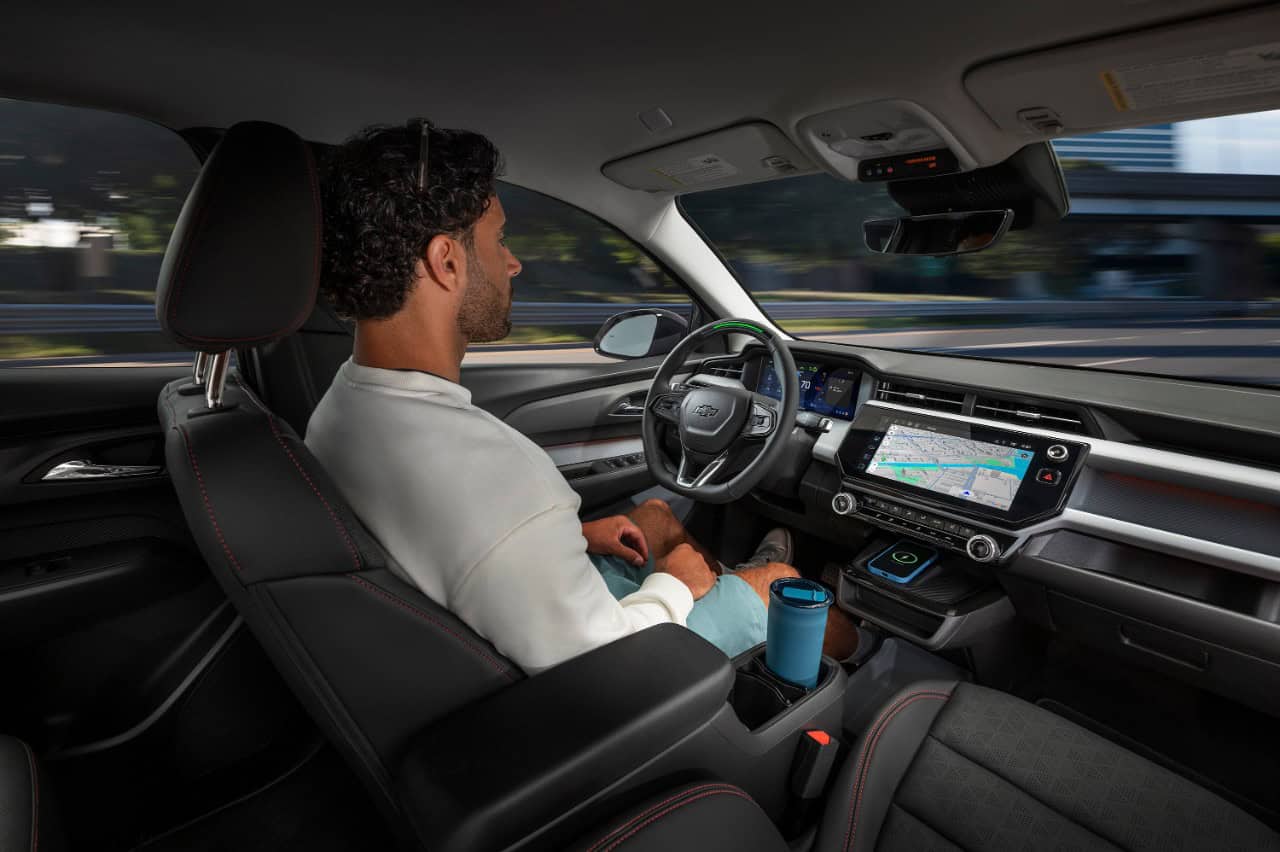
Inside, the 2027 Bolt introduces a driver-centered interior with an 11.3-inch-diagonal center infotainment screen and an 11-inch-diagonal driver information display that users can configure. The infotainment system runs Google built-in, powered by OnStar Connectivity, and supports entertainment apps including Angry Birds, Chrome, GameSnacks, HBO Max, Tubi and Prime Video while the vehicle is parked or charging. GM says additional apps will continue to arrive through Google Play.
Google Maps is embedded with vehicle systems, so route planning automatically accounts for battery range. On longer trips, the company says, the system provides smarter routing and charging recommendations that factor in real-time charging station status and range estimates based on driving style. When a DC fast charger is on the route, automatic battery preconditioning warms the battery to improve charging performance.
The navigation system also works with Super Cruise, the available hands-free driver assistance technology. Google Maps shows which routes are Super Cruise capable and how many minutes of a trip can be driven hands-free, and GM says enhancements to the integration help ensure the vehicle is in the correct lane at exit ramps and interchanges. The company describes the arrangement as delivering more hands-free miles than ever before on the Bolt.
Voice control comes through “Hey Google,” which can adjust cabin temperature and seat warmers, dictate messages, place hands-free calls and, for owners with compatible smart-home devices, open a garage door on arrival.
Safety Technology and Interior Practicality
More than 20 safety and driver assistance features come standard, according to GM, among them Intersection Collision Mitigation, Rear Automatic Braking and Rear Cross Traffic Alert with Braking.
The interior has been reworked with practicality in mind. A new column shifter creates additional space between the front seats, and an open console and new passenger-side dash storage provide grab-and-go spaces. The dashboard mixes physical and virtual controls, a choice GM says keeps frequently used functions such as climate and audio volume immediately accessible. Multiple USB-C ports are standard, and wireless phone charging is available.
Available comfort features include a heated steering wheel, heated and ventilated front seats, and a panoramic sunroof that GM says adds natural light and a more spacious feel. Phil Zak, executive design director for Global Chevrolet, said the team drew on direct customer feedback to deliver improved technology and expanded features without sacrificing the space, usability or style that owners value in the Bolt’s hatchback layout.
Styling and the Arrival of the RS
The exterior receives a fresh take on the Bolt’s recognizable profile. Buyers can choose from seven exterior colors and 17-inch wheels offered in three finishes.
For the first time, the Bolt is also available in Chevrolet’s sportier RS trim. The RS is distinguished by unique grille badging, high-gloss black wheels and roof rails. An exclusive combination of Atomic Yellow paint with red interior accent stitching is offered on the RS, and press images showed the car in Habanero Orange as well.
Production and Availability
The 2027 Bolt will be assembled at GM’s Fairfax Assembly plant in Kansas City, Kansas, using a mix of domestically and globally sourced parts. GM said the vehicle would reach Chevrolet dealers in the first quarter of 2026, and that shipments to customers would begin early in the year. The company confirmed final specifications for the model on January 12, 2026.
Bell closed his remarks with a pitch aimed at shoppers who have held off on an electric purchase: if they have been waiting, he said, this is the moment, and the limited-run nature of the program means the window will not stay open indefinitely.