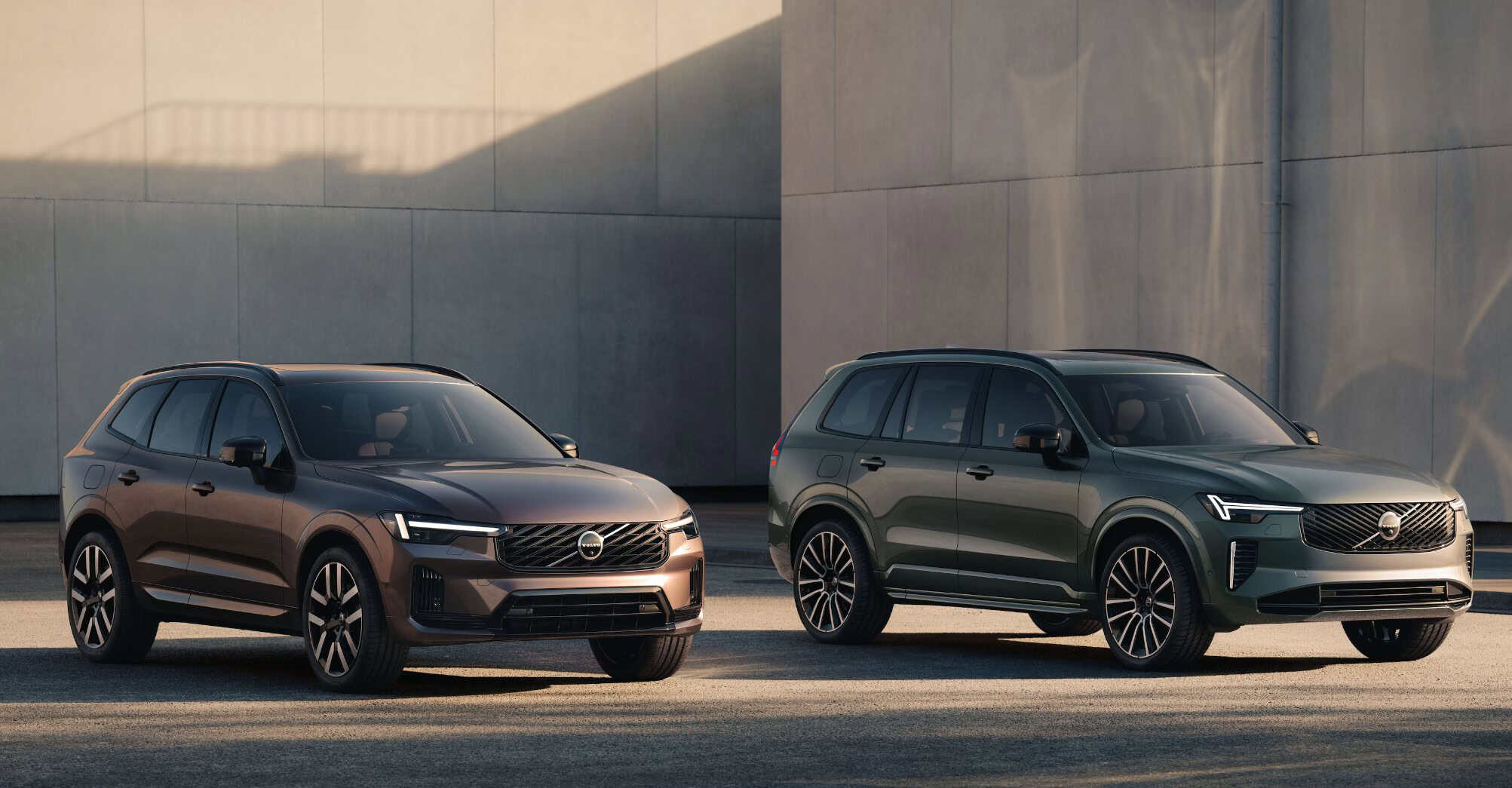
The new XC60 can travel up to 78 miles on electric power alone before its gasoline engine needs to engage, Volvo said, while the larger seven-seat XC90 offers up to 73 miles. Both figures represent more than double the range of the plug-in hybrid variants they replace, a leap the company attributes to a redesigned, floor-integrated battery pack paired with a more powerful electric motor.
A Bridge, Not a Detour
Volvo has never hidden its ambition to eventually sell only electric vehicles, but the company has also acknowledged that the transition will not happen on a straight line. The new long-range hybrids are explicitly framed as a bridge strategy rather than a retreat from that goal.
“The XC60 is our best-selling model of all time, while the XC90 marked the beginning of our premium journey,” Håkan Samuelsson, Volvo’s president and chief executive, said in a statement announcing the vehicles. He added that the pair, alongside the fully electric EX60, now gives the company its strongest electrified lineup yet in the mid-size SUV segment.
The pitch to customers is straightforward: electric range long enough to cover most daily driving, from school runs to commutes, without the anxiety of running out of charge on a longer trip. For buyers not yet ready to commit to a fully electric vehicle, Volvo is wagering that a plug-in hybrid capable of covering the vast majority of typical daily mileage on electrons alone will feel close enough to the real thing. Both the XC60 and XC90 will also continue to be offered in mild-hybrid form for buyers who want a simpler, less expensive option.
A Redesigned Face for Volvo’s Best-Seller
The new XC60 arrives with more than just a bigger battery. The mid-size SUV gets a substantial exterior refresh, including an updated grille, a redesigned front bumper, new hood and front wings, and new wheel designs, all intended to modernize Volvo’s Scandinavian design language. The most visually distinctive change is the reworked version of the automaker’s signature Thor’s Hammer LED headlights, which Volvo describes as a purer, more refined expression of the design element. At the rear, the tailgate, lamps and bumper have been revised with a stronger horizontal emphasis meant to give the SUV a more grounded, confident stance.
Inside, the cabin has been updated with a new dashboard and door panel design, wood trim, and Nappa leather upholstery in a shade Volvo calls Cardamom, along with upgraded ambient lighting throughout the cabin.
More Safety Tech, More Screen
Volvo has long built its brand around safety, and the new XC60 leans further into that reputation with an expanded suite of active safety systems. The vehicle is designed to intervene in real time if it detects a potential collision, whether by steering around an obstacle, braking automatically, or warning an occupant before they open a door into the path of an approaching cyclist. Those systems draw on an upgraded array of radars, cameras and other sensors, which also power features like lane change assistance and a 360-degree camera with a three-dimensional view.
Much of that capability is accessed through an 11.2-inch touchscreen running Volvo Car UX, the company’s latest infotainment system. Both the new XC60 and XC90 will offer Google Gemini as a built-in AI assistant, allowing drivers to plan routes, find places to stop, and manage messages using natural language commands rather than menus.
The XC90 Refines a Proven Formula
Where the XC60 receives a visual overhaul, the XC90 update focuses more on refining what has already made it one of Volvo’s most acclaimed vehicles. The seven-seat SUV continues to lean on Scandinavian luxury cues, pairing premium materials, wood trim and abundant natural light in a cabin Volvo describes as designed to feel restorative rather than merely functional. Buyers can also opt for a Bowers & Wilkins premium sound system. Like its smaller sibling, the XC90 now comes equipped with Google Gemini.
Why It Matters for Volvo’s Bottom Line
Beyond the technology and design updates, the new plug-in hybrids serve a clear business purpose. Volvo describes them as efficient investments in an existing, popular lineup, intended to sustain sales and profitability while the broader industry continues its uneven march toward full electrification. Both vehicles will also receive Volvo’s regular over-the-air software updates, meaning the cars are designed to keep improving after they leave the dealership lot.
Production of the new XC60 and XC90 T8 AWD Long Range plug-in hybrids is set to begin later this fall, with customer deliveries expected to start in early 2027.
Volvo cautioned that the range figures are preliminary estimates based on EPA testing standards, and that real-world results will vary depending on factors including charge level, temperature, driving style and terrain. The company also noted that some features, including Gemini integration, may require a subscription or customer opt-in, and availability may vary.