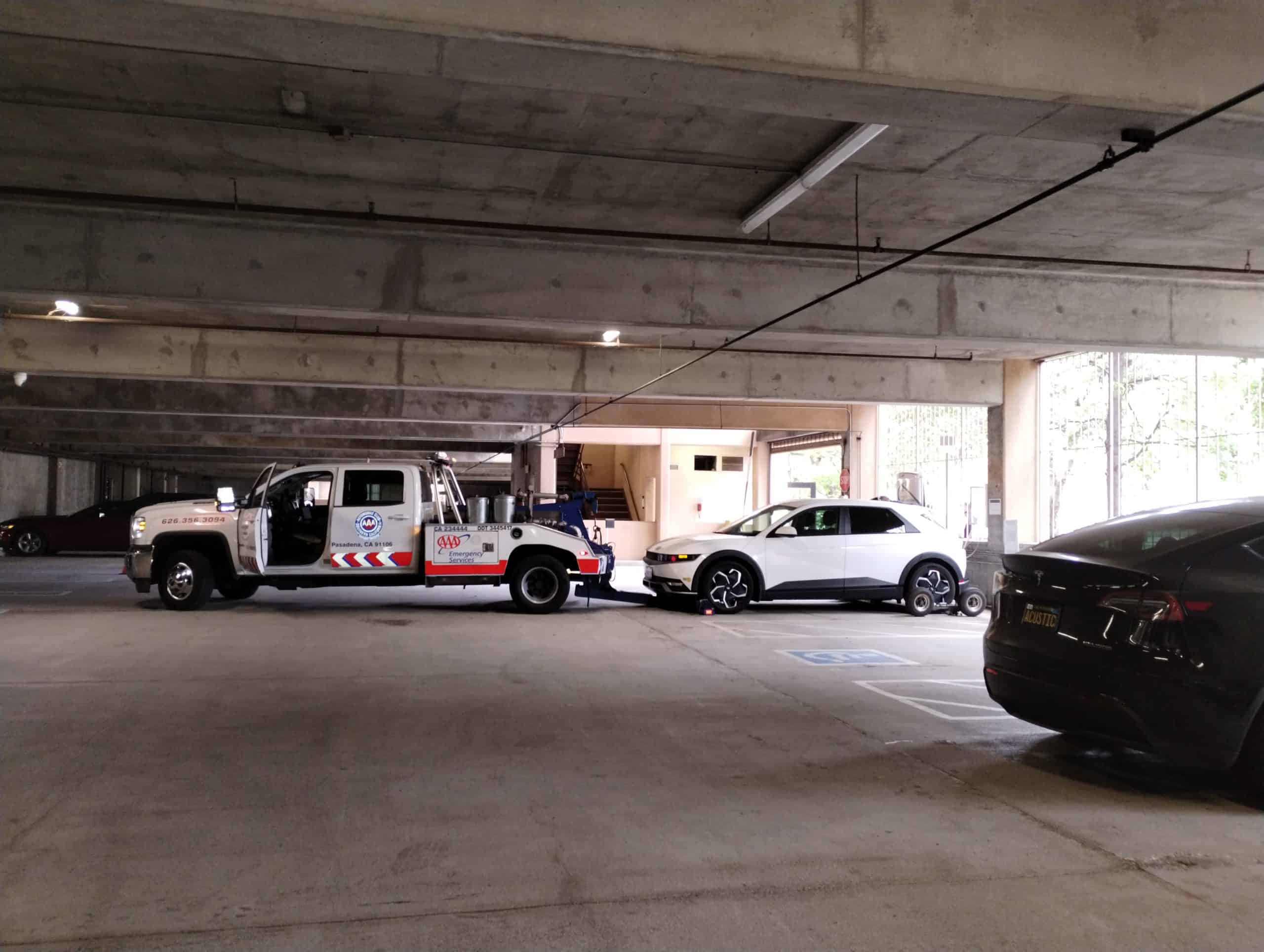
The ICCU defect may prevent the 12-volt battery from charging, which can trigger a chain reaction that leaves the car unable to drive. While the defect doesn’t impact every vehicle, owners across North America and other markets have experienced sudden loss of propulsion—sometimes on highways or in heavy traffic—making this one of Hyundai’s most serious EV recalls to date.
What is the ICCU and Why It Matters
The Integrated Charging Control Unit is a critical electronic module that manages how the high-voltage battery system charges the auxiliary 12-volt battery. Unlike traditional cars that use an alternator, modern EVs rely on the ICCU’s DC-to-DC converter to keep the 12-volt battery charged. That smaller battery powers control modules, safety systems, lighting, and even the ability to start or “boot up” the car.
When the ICCU fails, the 12-volt battery begins to discharge. If it drains completely, the result can be catastrophic: warning lights, reduced power, loss of essential electronics, and eventually the car’s inability to drive at all. Owners have described everything from seeing “Power Limited” warnings to their IONIQ shutting down in the middle of an
Models and Years Covered
The recall spans multiple years of Hyundai’s top EVs:
- Hyundai IONIQ 5: model years 2022–2024
- Hyundai IONIQ 6: model years 2023–2025
This is not the first time Hyundai has addressed the ICCU. Earlier recalls in North America and Canada attempted to correct the problem with partial fixes, but the most recent action expands the scope and introduces updated repairs.
How the Defect Happens
Investigations suggest the ICCU can suffer internal damage over time. Engineers have pointed to two main failure mechanisms:
- Overvoltage Stress – During the start or end of a charging cycle, voltage spikes can stress the ICCU components.
- Thermal Overload – Prolonged charging or driving generates heat that degrades the module.
Some reports have also noted coolant leaks within or around the ICCU assembly, which could accelerate failure. Once the ICCU is compromised, it may stop delivering power to the 12-volt system.
The first symptoms are often warning messages, dashboard alerts, or reduced propulsion. In many cases, the car will enter “limp mode” before it completely loses the ability to drive.
Why It’s a Safety Hazard
A loss of drive power is more than an inconvenience—it’s a serious safety concern. Imagine merging onto a highway and suddenly finding that your EV won’t accelerate. In urban settings, several owners have reported stalling in intersections or busy lanes of traffic.
Regulators in both the U.S. and Canada have classified the defect as a safety risk, prompting Hyundai to issue formal recalls.
Hyundai’s Fix
The recall remedy depends on the condition of the ICCU:
- Software Update – Hyundai dealers install new software designed to reduce overvoltage and electrical stress on the ICCU.
- Hardware Replacement – If diagnostic trouble codes (such as P1A9096) are detected, the ICCU assembly is replaced. Dealers also install a new ICCU fuse and, in some cases, flush and refill the coolant system.
Repairs are performed free of charge. Owners are being notified by mail, but they can also check their vehicle identification number (VIN) on Hyundai’s recall website or through the National Highway Traffic Safety Administration (NHTSA) database.
What Owners Are Reporting
Despite the recall, many Hyundai EV owners say they have faced repeated issues with the ICCU. Reports across forums and social media include:
- Sudden shutdowns while driving, with warnings like “Check Power Supply” or “Power Limited.”
- Cars becoming inoperable after sitting parked, requiring towing to dealerships.
- Long waits for parts, particularly for full ICCU replacements.
- Instances where the defect reoccurred even after the initial recall repair was completed.
One IONIQ 6 driver shared that their car failed twice within six months, each time stranding them on the side of the road. Another IONIQ 5 owner reported their vehicle entered limp mode on the freeway before shutting down completely.
What This Means for Owners
If you own an IONIQ 5 or IONIQ 6, here’s what you should do:
- Check Your VIN – Confirm whether your vehicle is included in the recall. Even if you’ve already had a recall fix, newer remedies may apply.
- Schedule Service Promptly – Contact your Hyundai dealer to arrange the recall repair. Mention any warning lights, power issues, or prior ICCU failures.
- Document Everything – Keep copies of repair orders, diagnostic codes, tow receipts, and any related costs.
- Act on Warnings – If you see electrical or power system warnings, seek service immediately. Continuing to drive could leave you stranded.
- Know Your Rights – If repeated ICCU failures occur, lemon law protections may apply depending on your state or province. Detailed documentation of repairs and downtime strengthens your case.
Warranty and Legal Considerations
The ICCU issue falls under warranty and recall protections, meaning repairs should be free. However, if your vehicle suffers repeated failures or spends extensive time in the shop, you may qualify for a buyback or replacement under lemon law statutes.
Consumer advocates stress the importance of maintaining detailed records, including mileage, dates of service, and the number of days your car is out of use.
Industry Impact
The ICCU recall highlights broader concerns about reliability in next-generation EV electronics. Hyundai is not alone—its corporate siblings Kia and Genesis have also reported ICCU failures on models that share the same platform.
As automakers push to deliver cutting-edge electric vehicles, the industry faces a balancing act between innovation and durability. Electronic modules like the ICCU are vital, yet their complexity also introduces new failure points.
Looking Ahead
Hyundai has taken steps to address the ICCU problem with updated software and replacement parts, but the real test will be whether the fixes hold up long term. For now, affected owners should take the recall seriously and ensure their vehicles receive the latest remedy.
As more IONIQ 5 and IONIQ 6 models enter the used market, prospective buyers should also verify whether recall work has been completed. Failure to do so could mean inheriting a vehicle at risk of sudden power loss.
Key Takeaways
- Affected Models: 2022–2024 IONIQ 5, 2023–2025 IONIQ 6
- Defect: ICCU may fail, preventing the 12-volt battery from charging and leading to loss of drive power
- Risks: Sudden loss of propulsion, safety hazards in traffic
- Fix: Software update and/or ICCU replacement with new fuse and coolant flush
- Action for Owners: Check VIN, schedule repairs, document issues, and pursue lemon law protection if problems persist
At the heart of the issue is trust: EV buyers expect their vehicles to deliver not only efficiency and advanced technology but also reliability. With this recall, Hyundai has a chance to show how it handles one of the most serious challenges facing its electric future.
Hyundai IONIQ 5 & IONIQ 6 ICCU Recall: Owner Q&A
Q: Which vehicles are affected?
A: The recall covers 2022–2024 Hyundai IONIQ 5 and 2023–2025 Hyundai IONIQ 6 electric vehicles. Other Hyundai, Kia, and Genesis EVs with the same platform have also experienced ICCU issues.
Q: What exactly is wrong?
A: The Integrated Charging Control Unit (ICCU) can fail. When it does, it stops charging the 12-volt battery, which powers critical electronics. If the 12-volt drains, the car may lose drive power while in motion.
Q: What are the warning signs?
- “Power Limited” or “Check Power Supply” warnings
- Sudden drop in acceleration
- Dashboard lights or alerts about the electrical system
- Vehicle fails to shift into drive or won’t start
Q: What should I do if I see these warnings?
A: Drive to a safe location as soon as possible and contact your Hyundai dealer. If the vehicle loses power completely, call roadside assistance or arrange a tow.
Q: What is Hyundai doing to fix it?
A: Dealers will:
- Update the ICCU software to reduce electrical stress
- Replace the ICCU assembly and fuse if trouble codes are detected
- In some cases, flush and refill the coolant system
Q: How much will the repair cost me?
A: Nothing. All recall repairs are free of charge.
Q: How do I know if my car is included?
A: Enter your VIN at Hyundai’s recall site or the NHTSA recall lookup tool. Hyundai will also mail notices to affected owners.
Q: What if I’ve already had ICCU work done?
A: Some earlier recall repairs were partial. Your car may need updated service. Check your VIN again to confirm.
Q: Can the problem come back after repair?
A: Some owners report repeat failures even after initial fixes. If that happens, bring the vehicle back to the dealer immediately and keep detailed records.
Q: What are my rights if the car keeps failing?
A: If repeated ICCU issues occur, you may qualify for relief under state or provincial lemon laws. Document all repairs, downtime, and dealer visits to strengthen your case.
Q: Where can I get more help?
- Hyundai Customer Care: 1-800-633-5151 (U.S.)
- NHTSA Recall Hotline: 1-888-327-4236
- Your local dealer’s service department